
Performance · 5 min read
Lead quality is a design problem
Cheap leads are easy to buy. Leads that pick up the phone come from how the whole journey is designed, from the ad to the CRM.

In real estate, a lead that never answers costs more than its media price. It costs an agent's afternoon, a manager's patience and, eventually, the sales team's trust in marketing. I've seen campaigns celebrate a record month of leads while the sales floor called it the worst month of the year.
In my experience, the answer is rarely a better targeting setting on its own. It comes from treating the whole path, from ad to first conversation, as one designed experience.
Design the friction on purpose
A form with two fields usually gets more submissions than one with five, and that isn't always a good thing. The right amount of friction filters people who are browsing from people who are buying. Ask for the budget range or the preferred project. Fewer leads arrive, more of them convert.
Reply in the channel people chose
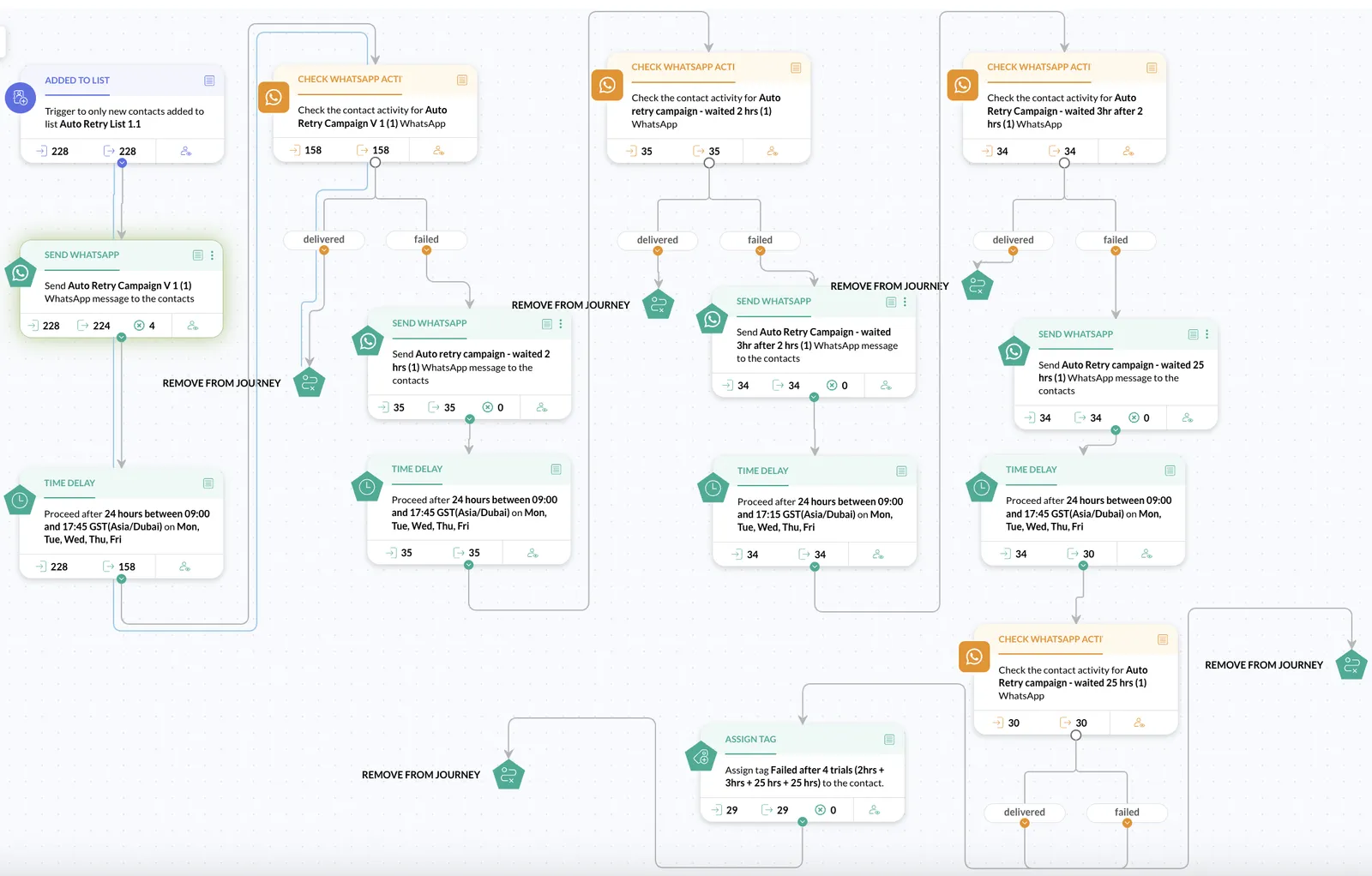
Many buyers in the UAE prefer to reply on WhatsApp rather than pick up a call from an unknown number. A template that offers three options (call me now, chat here, send me the details) lets the buyer choose, and records the choice in the CRM.
- Score every lead on source, budget, project and response time.
- Route by score, not by round robin. The best agents get the warmest leads first.
- Automate the follow-up timers so nothing waits until Monday.
- Feed the outcome back into the ad platforms, so they learn what a good lead looks like.
Marketing's job isn't to fill the CRM. It's to fill the sales calendar.
Agree on one definition
In my experience, none of this holds unless marketing and sales agree on what qualified means, in writing, with a field in the CRM to prove it. When we did that at Ohana Development, qualified leads rose 243% in three months. At Oia Properties, the same discipline cut unqualified leads by 60% year on year.
Lead quality is rarely a single campaign setting. It comes from a journey designed end to end, with someone owning the whole of it.
Want to talk about this for your team?